

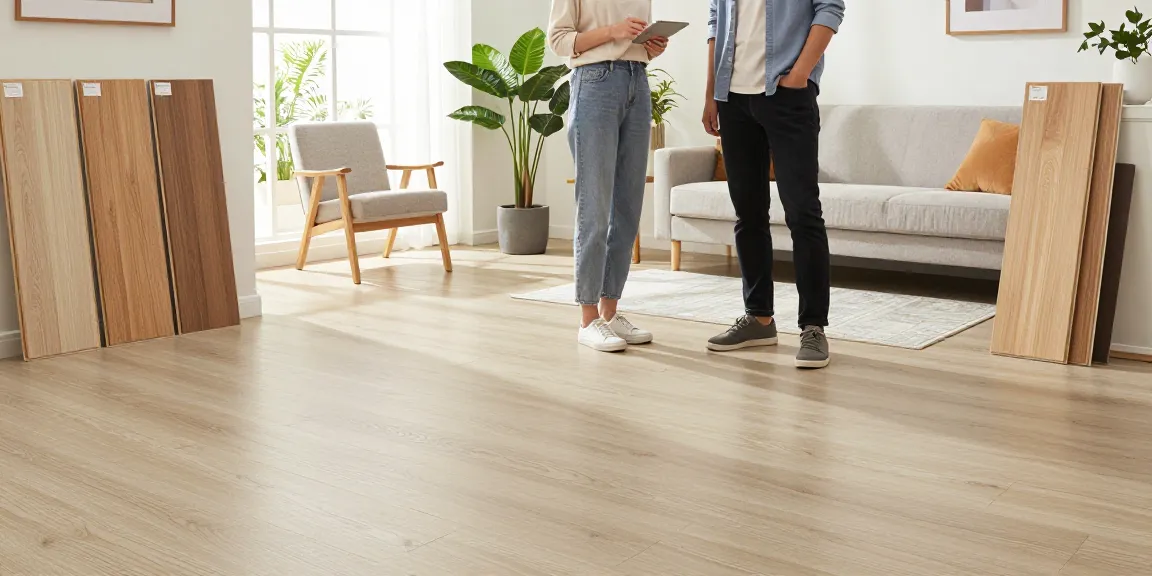
Understanding Flooring Options: Laminate vs. Engineered Wood
Choosing the right flooring for your home can feel overwhelming, particularly in a diverse market like the UK, where both laminate and engineered wood have gained significant popularity. Homeowners often grapple with questions regarding durability, maintenance, and aesthetics when determining which flooring type to install. Understanding the distinctions between these two options is essential for making an informed decision. When exploring options, why homeowners choose engineered wood can unveil critical insights into your ideal choice.
What is Laminate Flooring?
Laminate flooring is a synthetic product designed to resemble natural wood. It is constructed from extremely dense fiberboard with a high-resolution photographic layer of wood grain on top, which is then finished with a protective overlay. This layered construction provides laminate flooring with robust durability, making it resistant to scratches and dents, thus suitable for high-traffic areas. Installation is straightforward, often utilizing a click-lock system, which appeals to DIY enthusiasts. Additionally, laminate flooring tends to be more cost-effective compared to engineered wood, making it an attractive option for budget-conscious homeowners.
What is Engineered Wood Flooring?
In contrast, engineered wood flooring is crafted from real hardwood. It features a veneer layer of solid wood on top, adhered to multiple layers of plywood. This multi-layer construction gives engineered wood greater stability compared to solid wood, especially in fluctuating humidity and temperature conditions. Homeowners appreciate engineered wood for its authenticity, as it showcases the natural beauty of wood grain and texture. It can be sanded and refinished a few times, extending its lifespan and enhancing its appeal over the years.
Key Differences in Construction and Durability
The primary differences between laminate and engineered wood lie in their construction and durability. Laminate floors are purely synthetic, while engineered wood incorporates genuine wood elements. As a result, laminate is often less expensive and more resilient to moisture but lacks the authentic wood feel that many homeowners desire. Engineered wood, while more costly, offers a blend of durability and aesthetic appeal, making it suitable for various design aesthetics.
Why Homeowners Choose Engineered Wood
Authenticity and Aesthetics: The Real Wood Appeal
A key reason why homeowners opt for engineered wood is its genuine appearance. With a surface made from real hardwood, engineered wood delivers the natural look and feel that laminate simply cannot replicate. This authenticity contributes to the overall ambiance of a room, often resulting in a warmer and more inviting environment. The variety of finishes and wood species available allows homeowners to customize their flooring to match their interior design preferences, elevating their home’s aesthetic significantly.
Long-Term Value and Investment Benefits
Investing in engineered wood is often viewed as a long-term strategy. While the initial cost may be higher than laminate, engineered wood’s durability ensures it can withstand years of use, ultimately saving homeowners money on replacements and repairs. Additionally, quality engineered wood flooring can increase a home’s resale value, making it a worthwhile investment for those looking to enhance their property’s marketability.
Environmental Considerations and Sustainability
As sustainability continues to be a critical concern for many homeowners, the eco-friendly nature of engineered wood becomes increasingly appealing. Unlike traditional hardwood, which may contribute to deforestation, engineered wood utilizes less solid wood thanks to its layered construction. Many manufacturers also adhere to sustainable practices, ensuring that the raw materials used in their products are sourced responsibly. This commitment to sustainability resonates with environmentally conscious consumers, further driving the popularity of engineered wood.
Performance Comparison: Laminate vs. Engineered Wood
Resistance to Moisture and Wear
When it comes to moisture resistance, laminate flooring generally has the upper hand. With its synthetic surface, laminate is designed to withstand spills and humidity, making it suitable for areas like kitchens and bathrooms. However, engineered wood can also perform well in moist environments if it is properly sealed and maintained. Its ability to adapt to humidity fluctuations gives it an edge over traditional solid wood, though care must be taken to prevent excessive exposure to standing water.
Maintenance Requirements for Each Option
In terms of maintenance, laminate flooring takes the lead due to its easy care requirements. Regular sweeping and occasional mopping are typically all that’s needed to keep laminate looking good as new. Engineered wood, on the other hand, requires more attention. While it can also be cleaned with a broom and damp mop, careful consideration must be given to avoid excessive water exposure, and periodic refinishing may be necessary to maintain its luster.
Cost-Effectiveness Over Time
Although laminate is generally less expensive than engineered wood upfront, the long-term cost-effectiveness can vary based on usage and maintenance. Homeowners should consider factors such as lifespan and potential repairs when evaluating costs. Engineered wood, despite its higher initial investment, may prove more economical in the long run due to its durability and ability to be refinished.
Choosing the Right Flooring for Your Home
Assessing Your Lifestyle Needs and Preferences
Ultimately, the decision between laminate and engineered wood comes down to individual lifestyle needs and preferences. Families with young children or pets may favor the durability and moisture resistance of laminate, while those looking for a more upscale appearance or planning a long-term residence may lean towards engineered wood. Assessing the traffic levels in specific areas and the overall aesthetic goals will guide homeowners in their choices.
Installation Considerations and DIY Options
Installation is another crucial factor in the decision-making process. Laminate flooring typically features an easier installation process due to its click-lock system, making it an ideal choice for DIY enthusiasts. Engineered wood, while also available in click-lock versions, may require more skill for proper installation, especially in ensuring a secure fit and accommodating expansion gaps.
Trends in Flooring Design for 2026
As we look toward 2026, several exciting trends are emerging in flooring design. Natural colors and textures, minimalistic designs, and eco-friendly materials are becoming increasingly popular. Engineered wood options that showcase unique wood grains and rich finishes align with these trends, making it a favorable choice for those looking to stay ahead in home design.
Expert Insights: Making the Final Decision
Consulting with Flooring Professionals
For homeowners who are still uncertain, seeking advice from flooring professionals can provide clarity. Experts can offer insights into the best materials for specific rooms, installation tips, and maintenance advice tailored to individual needs. Engaging with professionals can facilitate a more informed decision-making process, ensuring the chosen flooring meets aesthetic desires and functional requirements.
Case Studies of Successful Installations
Examining case studies of successful installations can also inform choices. Real-life examples showcase how each flooring type holds up over time and in various environments. These case studies can provide valuable perspective on the advantages and drawbacks of each option when applied in real-world scenarios.
Future Trends in Flooring Choices
The future of flooring choices is not just about aesthetics; it also emphasizes sustainability, affordability, and innovation. Emerging technologies and trends are likely to introduce even more versatile flooring solutions, catering to ever-evolving homeowner preferences. Keeping an eye on these developments will help homeowners stay ahead of the curve in their flooring choices.
What are the benefits of engineered wood flooring?
The benefits of engineered wood flooring include its durability, aesthetic appeal, and investment potential. It offers a genuine wood look while being more stable than solid wood, making it an excellent option for diverse environments.
How does laminate compare to engineered wood?
Laminate is more affordable and easier to maintain, while engineered wood provides a more authentic look and feel. Laminate is also more resistant to moisture, but engineered wood can be a better long-term investment.
Can engineered wood be used in all rooms?
Engineered wood can be used in most rooms, including living areas and bedrooms. However, extra care should be taken in high-moisture areas such as bathrooms unless it is properly sealed.
What maintenance is required for laminate vs. engineered wood?
Laminate requires minimal maintenance, primarily regular sweeping and occasional mopping. Engineered wood requires a bit more attention, including avoiding excessive moisture and periodic refinishing to maintain its appearance.
Is engineered wood worth the investment?
Yes, engineered wood is often worth the investment for those looking for a high-quality, long-lasting flooring option that enhances home value and aesthetic appeal.