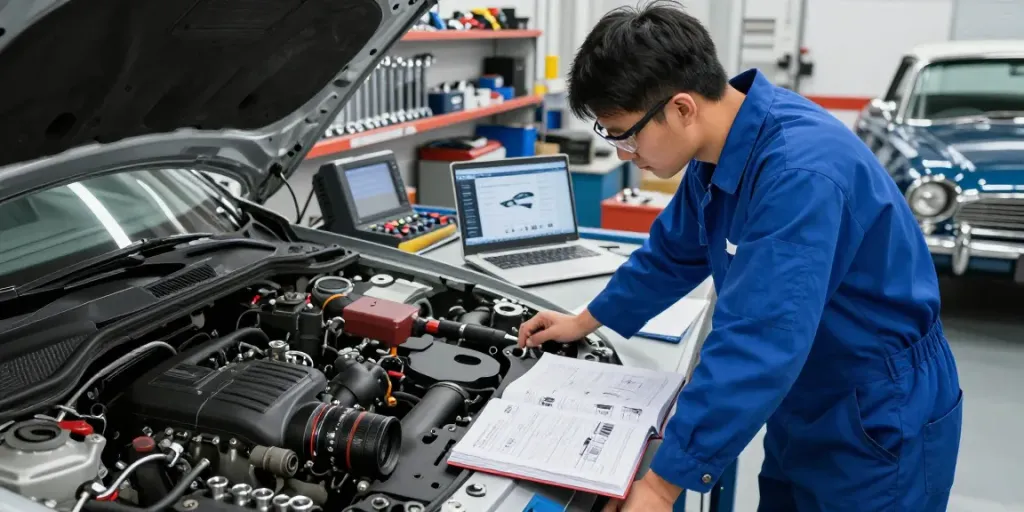
Understanding Car Parts: A Comprehensive Overview
Vehicles are intricate machines, composed of numerous components that work together to ensure functionality, safety, and performance. Understanding these parts is crucial for every car owner, whether you're looking to buy, maintain, or even repair your vehicle. At CarUnited, we strive to demystify the world of automotive components through our car parts guides, which provide valuable insights for both novice and experienced drivers alike.
What Are the Essential Car Parts?
The engine, transmission, brakes, and suspension are just a few of the essential parts making up a car. Each component plays a vital role in ensuring the vehicle operates smoothly.
- Engine: Often regarded as the heart of the vehicle, the engine converts fuel into motion.
- Transmission: This component transfers power from the engine to the wheels, allowing the car to move.
- Brakes: A crucial safety feature, brakes slow down or stop the vehicle when needed.
- Suspension: The suspension system helps maintain tire contact with the road, improving ride quality and handling.
How Car Parts Work Together in a Vehicle
Understanding how car parts function in unison is essential for diagnosing issues and performing repairs. For example, the engine generates power, but without a functioning transmission, that power cannot be effectively utilized by the wheels. Additionally, the brakes must work in concert with the tires and suspension to provide safe stopping distances.
Safety-Critical Components Every Driver Should Know
Several components directly impact vehicle safety and should be prioritized during maintenance checks:
- Brakes: Regular inspections and timely replacements can save lives.
- Wheels and Tires: Adequate tire tread and proper inflation are essential for safe driving.
- Lights: Brake lights, headlights, and turn signals must function correctly to ensure visibility and communication with other drivers.
Choosing the Right Car Parts: Expert Guidance
When it comes to selecting car parts, knowledge is power. Not all parts are created equal, and knowing the difference can save time, money, and frustration.
How to Select Quality Parts for Your Vehicle
Choosing high-quality parts can make a significant difference in your vehicle's performance and longevity. Always opt for parts from reputable manufacturers that meet stringent quality standards.
OEM vs. Aftermarket: Which is Better for You?
Original Equipment Manufacturer (OEM) parts are made by the vehicle's manufacturer, while aftermarket parts are produced by other companies. Each has its benefits:
- OEM Parts: Guaranteed to fit and often come with a warranty.
- Aftermarket Parts: Can be more affordable and may offer performance improvements.
Ultimately, the choice depends on your vehicle's needs and your budget.
Common Pitfalls in Buying Car Parts
Many car owners fall prey to common errors when purchasing parts:
- Failing to verify compatibility with your specific vehicle model.
- Choosing parts based solely on price, sacrificing quality for cost.
- Neglecting to check for warranties or return policies.
Maintaining Your Vehicle: Practical Car Parts Guides
Regular maintenance is key to prolonging the life of your car and ensuring it runs smoothly. Below we outline some essential practices.
Essential Maintenance Tips for Key Components
Here are some critical maintenance tips for keeping your vehicle in excellent condition:
- Check engine oil levels regularly and replace it as recommended.
- Inspect coolant levels to prevent overheating.
- Regularly check and replace air filters to improve fuel efficiency.
D.I.Y. Guides: Fixing Common Car Issues
Many minor car repairs can be accomplished with basic tools and a little patience. Common D.I.Y. fixes include:
- Changing your oil and oil filter.
- Replacing windshield wipers.
- Changing a flat tire.
When to Consult Experts for Car Repairs
While D.I.Y. repairs can be rewarding, some issues should be handled by professionals:
- Electrical system problems.
- Engine diagnostics.
- Complex brake or transmission repairs.
Future Trends in Car Parts and Vehicle Maintenance (2026 and Beyond)
The automotive industry is constantly evolving, with new technologies emerging that change how we maintain and repair our vehicles. Here are some trends to watch out for:
Innovations in Automotive Technology and Components
As technology continues to advance, we see increasingly sophisticated car parts, such as adaptive braking systems and smart sensors that enhance safety.
Electric and Hybrid Vehicles: New Parts and Maintenance Needs
The rise of electric and hybrid vehicles brings about a new set of components, such as battery management systems and regenerative braking components, which require different maintenance strategies.
Predictions for Car Parts Availability and Sourcing
With the growing reliance on e-commerce for auto parts, expect more online platforms emerging that provide not just parts but also detailed information on compatibility and installation.
Frequently Asked Questions About Car Parts Guides
What are the different types of car guides?
Car guides can include owner manuals, maintenance guides, and specific car parts guides that detail everything from common issues to repair instructions.
How can I find reliable car parts information?
Reputable websites, forums, and automotive experts can provide reliable information. Resources like CarUnited offer multi-source summaries and comprehensive data on car parts.
What are some important car parts everyone should know?
Every car owner should be familiar with essential parts such as the engine, transmission, brakes, and lights, as these directly affect vehicle operation and safety.
Where can I find online auto parts diagrams?
Many online parts retailers and manufacturer websites provide diagrams to help you identify components and their functions, making parts selection easier.
How often should I check my car parts?
Regular checks should be conducted at least every 3,000 miles or before long trips. However, certain parts like tires and brakes should be inspected more frequently.