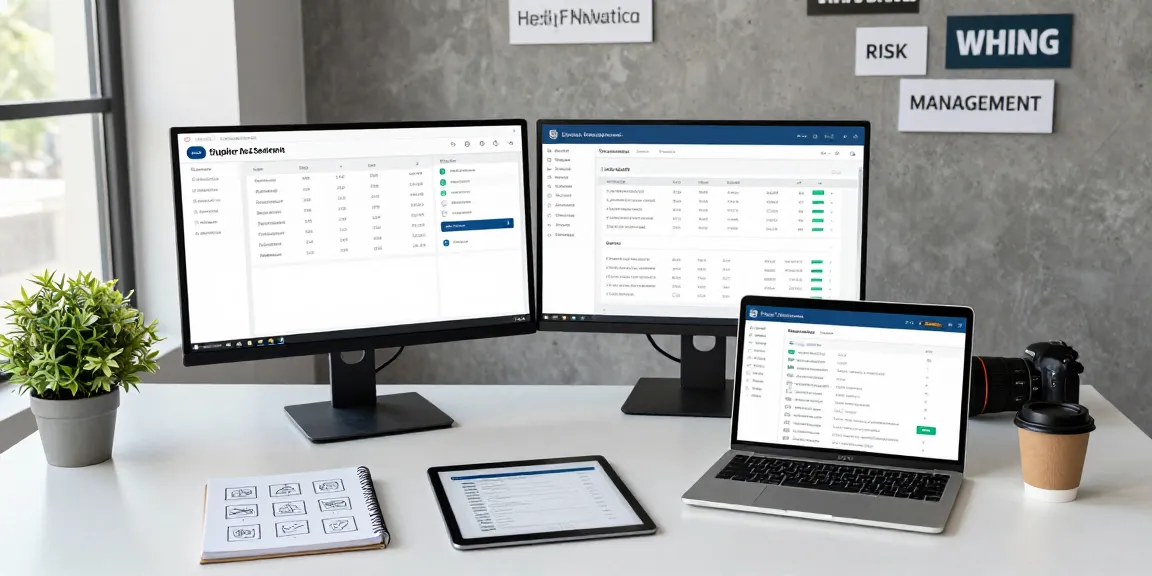
Understanding Third-Party Risk Management
As businesses increasingly rely on external suppliers and service providers, the importance of effective third-party risk management has never been more critical. This discipline involves identifying, assessing, and mitigating risks that stem from third-party relationships. Organizations must ensure that their suppliers adhere to standards that protect the integrity, confidentiality, and availability of their data and services. When exploring options, third-party risk management solutions can streamline these processes and provide comprehensive oversight.
What is Third-Party Risk Management?
Third-party risk management (TPRM) refers to the systematic approach organizations use to evaluate the risks associated with outsourcing services to third parties. This includes assessing potential risks related to data security, regulatory compliance, operational continuity, and reputational impact. TPRM aims to ensure that all third-party relationships align with a company's risk appetite and regulatory requirements.
Importance for Compliance and Security Teams
In the face of increasing regulatory scrutiny, compliance and security teams play a pivotal role in TPRM. They are tasked with ensuring that third-party services meet established standards for security and compliance, thus safeguarding the organization from potential breaches or legal repercussions. Additionally, effective risk management helps to foster trust among stakeholders, ensuring that every supplier adheres to the necessary protocols.
Key Components of an Effective System
- Risk Assessment: A thorough evaluation of potential risks associated with each supplier.
- Due Diligence: A process of investigating and verifying the background and practices of third parties.
- Monitoring and Reporting: Ongoing oversight to ensure compliance and highlight any emerging issues.
- Documentation: Maintaining a clear audit trail of assessments, decisions, and actions taken.
Common Challenges in Managing Supplier Risks
Managing supplier risks is fraught with challenges that can hinder an organization’s ability to ensure compliance and security effectively. Organizations often find themselves grappling with misconceptions, identifying hidden risks, and overcoming internal resistance to change.
Misconceptions About Third-Party Assessments
One prevalent misconception is that completing a one-time assessment of a supplier is sufficient. However, the reality is that risks can evolve over time, necessitating continuous monitoring and assessment to ensure lasting compliance. Organizations must adopt a mindset that values ongoing evaluation as a critical component of effective TPRM.
Identifying Hidden Risks in Supplier Relationships
Many organizations often overlook hidden risks that may not be immediately apparent during initial assessments. For example, dependencies on third parties can mask vulnerabilities, such as single points of failure or unregulated subcontracting. Conducting comprehensive assessments and maintaining open lines of communication with suppliers can help uncover these hidden risks.
Overcoming Internal Resistance to Change
Implementing a robust TPRM framework often encounters resistance from internal stakeholders, especially if it requires changes in established processes. To foster a culture of risk awareness, organizations must communicate the benefits of effective supplier risk management and engage stakeholders in the transition process.
Effective Strategies for Supplier Risk Assessment
To effectively mitigate risks associated with suppliers, organizations should adopt standardized protocols and best practices that streamline assessment processes and enhance overall oversight.
Standardized Protocols for Data Collection
Establishing standardized protocols for data collection ensures consistency and reliability in assessments. This approach allows organizations to compare and evaluate suppliers effectively, streamlining the decision-making process and reducing the chances of overlooking critical information.
Best Practices for Risk Scoring and Thresholds
Implementing risk scoring and thresholds is essential for prioritizing risks based on their potential impact. Organizations should define specific thresholds to categorize risks (for example, Medium ≥ 25, High ≥ 50, Critical ≥ 75) that align with their risk appetite, enabling teams to allocate resources effectively in response to identified risks.
Utilizing Technology for Enhanced Monitoring
Technological advancements provide organizations with tools that can enhance monitoring capabilities. Automated solutions can facilitate continuous supplier assessments, real-time monitoring, and centralized documentation, simplifying complex processes and ensuring that decision-makers have access to up-to-date information.
Implementing a Comprehensive Risk Management Framework
A comprehensive risk management framework integrates various components necessary for effective supplier risk management. This framework should clearly define roles and responsibilities, ensure integration into business processes, and implement monitoring and reporting mechanisms for continuous improvement.
Defining Roles and Responsibilities Within Teams
Clearly defined roles and responsibilities within teams enable organizations to manage supplier risks more effectively. By assigning specific tasks to dedicated individuals, accountability is enhanced, leading to more efficient risk assessments and timely responses to any issues that arise.
Integrating Risk Management into Business Processes
To maximize the effectiveness of risk management initiatives, organizations should integrate TPRM into their overall business processes. This alignment ensures that supplier risks are considered at every stage, from onboarding to ongoing assessments, creating a culture of risk awareness throughout the organization.
Monitoring and Reporting for Continuous Improvement
Regular monitoring and reporting mechanisms should be established to assess the effectiveness of the TPRM framework. By systematically reviewing risk management processes and outcomes, organizations can identify areas for improvement and adapt their strategies in response to changing circumstances.
Future Trends in Third-Party Risk Management
As the landscape of supplier relationships evolves, organizations must stay abreast of emerging trends in third-party risk management to remain competitive and compliant.
Emerging Technologies and Their Impact
Technologies such as artificial intelligence, machine learning, and blockchain are increasingly being utilized in TPRM. These innovations offer enhanced capabilities for data analysis, supplier monitoring, and risk assessment, allowing organizations to make informed decisions quickly and effectively.
Regulatory Changes to Watch in 2026
As regulations continue to evolve, organizations need to stay informed about upcoming changes that could impact their TPRM strategies. Proactive engagement with regulatory developments can help organizations remain compliant and avoid potential penalties associated with non-compliance.
Building Resilient Supplier Relationships for the Future
In the face of rising geopolitical tensions and unpredictable market dynamics, building resilient supplier relationships is essential. Organizations should aim to foster collaborative partnerships with suppliers, focusing on transparency and open communication to navigate challenges together effectively.
What are the key benefits of third-party risk management?
Effective third-party risk management provides numerous benefits, including enhanced compliance, reduced risks of data breaches, improved supplier performance, and strengthened overall business resilience. By implementing rigorous TPRM practices, organizations can safeguard their operations while building trust with stakeholders.
How can technology streamline supplier assessments?
Technology simplifies supplier assessments by automating data collection, integrating risk scoring systems, and facilitating real-time monitoring. This streamlining reduces manual workloads and enhances the accuracy of risk assessments, allowing teams to focus on strategic decision-making.
What common mistakes should be avoided in risk management?
Common mistakes in risk management include failing to conduct regular assessments, overlooking hidden risks, and not engaging stakeholders adequately. Organizations should prioritize continuous evaluation, comprehensive communication, and inclusive decision-making to avoid these pitfalls.
Why is continuous monitoring vital for supplier risk?
Continuous monitoring is vital as it enables organizations to identify emerging risks promptly. Supplier environments can change rapidly, and ongoing oversight is essential to maintain compliance and security standards over time.
How can organizations prepare for future compliance challenges?
Organizations can prepare for future compliance challenges by staying informed about regulatory changes, investing in technology for enhanced monitoring, and fostering a culture of risk awareness. Proactive initiatives can help organizations navigate compliance landscapes effectively.