Introduction to Measured Building Surveyors
In the complex arena of property development and construction, the role of measured building surveyors has become indispensable. These professionals bring a wealth of expertise to the table, ensuring that every detail of a building project is accurately captured and represented. With the bustling urban landscape of London and its surrounding areas like Surrey and Sussex, the need for precise measured building surveys has never been more critical. This article explores the various facets of measured building surveying, including what these surveys involve, their significance in the construction process, and how to choose the right surveyor for your project. Understanding these aspects can help mitigate risks and enhance project outcomes, making it easier to navigate the challenges posed by modern construction.
What are Measured Building Surveys?
Measured building surveys are detailed assessments that provide a comprehensive representation of a building’s dimensions, layout, and structural features. These surveys are crucial for architects, engineers, and property developers as they form the foundation for design, planning, and decision-making processes. Typically, a measured building survey includes accurate floor plans, elevations, and sections, presented in easily interpretable formats to facilitate further architectural development.
Importance of Accurate Surveys in Property Development
Accurate measured building surveys are vital in property development for several reasons. They enable a precise understanding of the existing conditions of a building or site, which is essential for effective planning and design. With the intricacies involved in both residential and commercial projects, a well-conducted survey can prevent costly mistakes during construction. Furthermore, such surveys adhere to regulatory requirements, thus safeguarding compliance with local building codes and standards. A lack of precise data can lead to significant delays and budget overruns, making the role of measured building surveyors critical.
Role of Measured Building Surveyors in Construction Projects
Measured building surveyors play a multifaceted role in construction projects. They are responsible not just for the surveying itself, but also for analysing the data collected and presenting it in a manner that is useful for various stakeholders. This involves working closely with architects and engineers to ensure that the plans meet both aesthetic and functional requirements. Additionally, they may provide input on regulatory compliance, helping to mitigate potential legal issues related to property development.
Key Services Offered by Measured Building Surveyors
At the heart of their operation, measured building surveyors offer a variety of services that are crucial for any construction project. Their expertise spans across several domains, ensuring that they can cater to diverse client needs effectively. From commercial enterprises to residential projects, the breadth of services provided by measured building surveyors confirms their importance in the construction industry.
Types of Surveys: Residential vs. Commercial
The services offered by measured building surveyors vary significantly between residential and commercial projects. In residential surveying, the focus is often on creating detailed floor plans and understanding the spatial dynamics of living environments. This can involve working with older buildings, requiring expertise in heritage preservation and adaptation. Conversely, commercial surveys tend to focus on larger scale operations, often necessitating comprehensive site analysis and complex data processing to meet business requirements.
Creating Comprehensive Floor Plans and Elevations
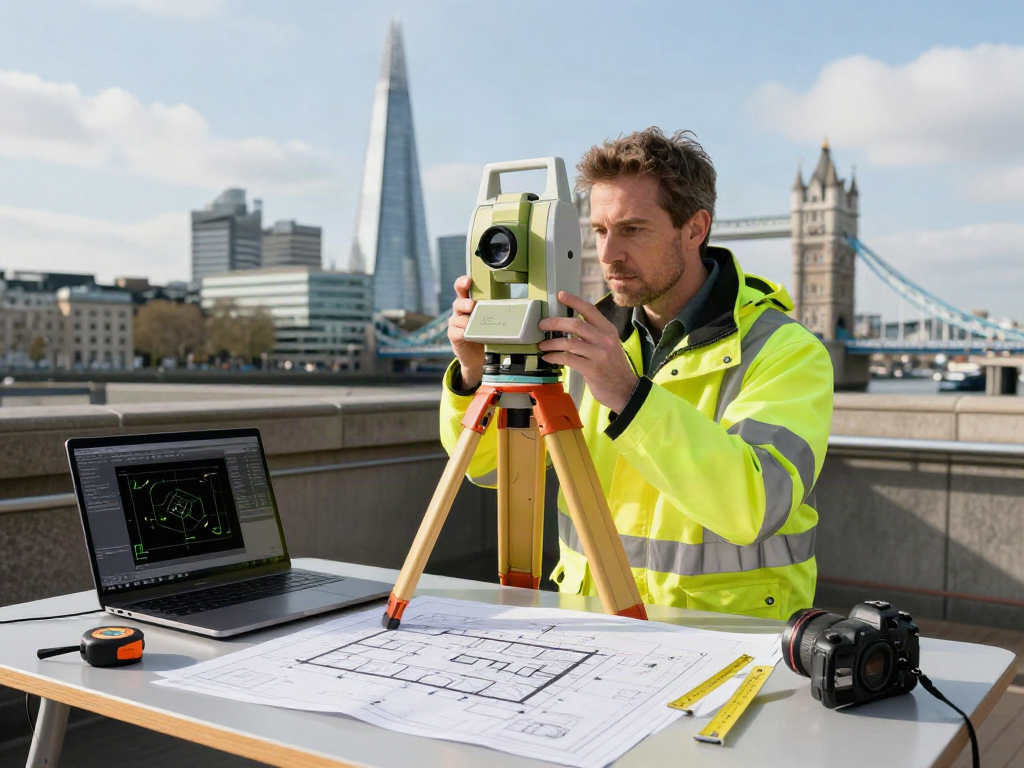
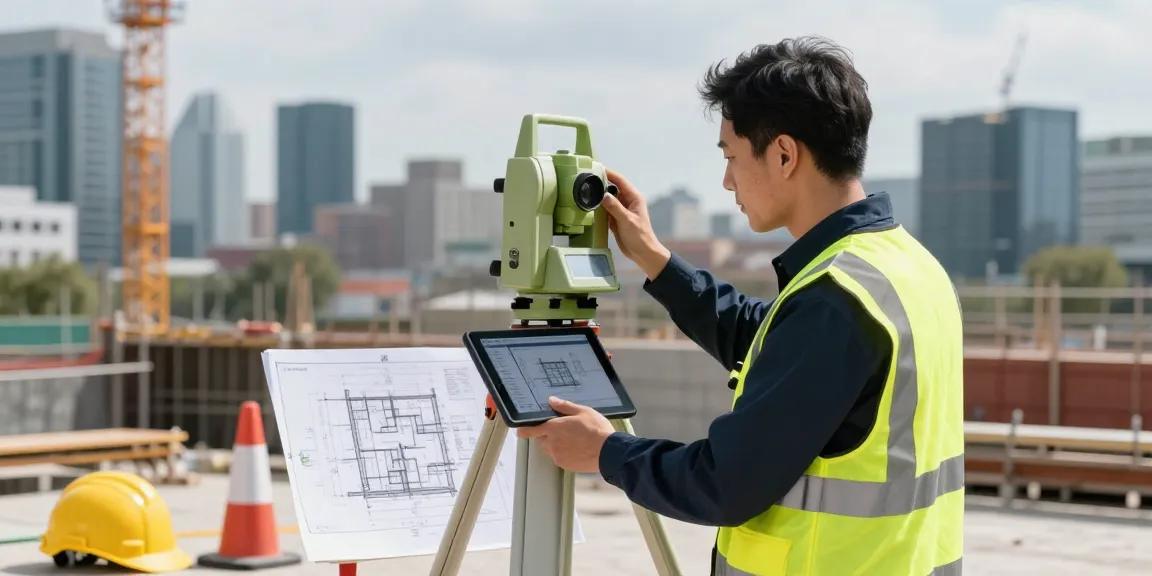
Creating accurate floor plans and elevations is one of the primary services offered by measured building surveyors. These documents are essential for architects and builders, providing the necessary data to plan renovations, extensions, or new constructions. Surveyors utilise modern technology, including laser scanning and photogrammetry, to ensure precision in every detail. The resulting documents help project teams visualise the space, allowing for informed decision-making throughout the building process.
Utilising Modern Technology for Precision and Efficiency
The integration of modern technology in measured building surveys has revolutionised the industry. Technologies such as Building Information Modelling (BIM), 3D laser scanning, and drone surveying enhance both the accuracy and efficiency of data collection. These tools not only speed up the surveying process but also minimise human errors, ensuring that clients receive the most reliable information regarding their properties. As technology evolves, measured building surveyors are continually adapting their techniques to provide increasingly sophisticated solutions.
Choosing the Right Measured Building Surveyor
Choosing the right measured building surveyor for your project can be daunting, but understanding the essential criteria can simplify the process. The right surveyor can significantly impact the success of your project, making it imperative to consider various factors when making your choice.
Factors to Consider When Selecting a Surveyor
When selecting a measured building surveyor, consider their experience, reputation, and the specific services they offer. It’s beneficial to look at their past projects and testimonials from previous clients to gauge their level of expertise. Additionally, ensure that they have experience with the type of project you are undertaking, whether residential, commercial, or industrial.
Checking Qualifications and Experience
Qualifications are paramount in the surveying profession. Look for surveyors who are accredited by professional bodies such as the Royal Institution of Chartered Surveyors (RICS). This ensures that they adhere to industry standards and possess the required knowledge to perform their duties accurately. Experience is equally important; a surveyor with years of practical knowledge is likely to handle challenges more effectively and provide actionable insights throughout the surveying process.
Understanding Project Requirements and Expectations
Clear communication about project requirements and expectations is crucial for a successful partnership with your measured building surveyor. Discuss your specific needs and objectives upfront to ensure alignment from the outset. This includes timelines, budget constraints, and the level of detail required in the surveys. A good surveyor will be able to provide realistic timelines and explain their methodology, allowing for a transparent and effective working relationship.
Common Challenges in Measured Building Surveys
While measured building surveying is essential, it is not without its challenges. Understanding these challenges can help stakeholders prepare adequately and mitigate potential risks during the surveying process.
Dealing with Complex Architecture and Older Buildings
Surveying older buildings or complex architectural designs often presents unique challenges. These structures may have irregular shapes, varying levels, or hidden features that complicate the surveying process. Experienced surveyors must employ specific techniques to capture these nuances accurately. This includes extensive pre-survey research and possibly integrating traditional surveying methods with modern technology to ensure comprehensive coverage.
Surveying in High-Density Urban Areas
In high-density urban settings like London, the presence of surrounding buildings, limited access points, and stringent regulations can complicate the surveying process. Surveyors must be adept at navigating these constraints while still delivering precise data. This often requires advanced planning and may involve coordination with local authorities to ensure compliance with zoning laws and safety regulations.
Mitigating Errors and Ensuring Data Accuracy
Errors in measurement can lead to significant repercussions down the line, from inaccurate construction to costly delays. To mitigate such risks, surveyors must implement rigorous quality control procedures throughout the surveying process. This can include double-checking measurements, using calibrated instruments, and employing software that minimises human error. The implementation of these best practices is essential in delivering accurate and reliable survey data.
Future Trends in Measured Building Surveys for 2026 and Beyond
As we look towards 2026 and beyond, several trends are poised to shape the future of measured building surveying. A focus on technology and sustainability will redefine practices within the industry, offering new opportunities and challenges.
Adopting Advanced Technologies: BIM and 3D Scanning
Building Information Modelling (BIM) and 3D scanning are transforming how measured building surveys are conducted. These technologies enable surveyors to create detailed virtual models of buildings, providing a comprehensive understanding of both existing structures and potential modifications. In the future, we can expect even greater integration of these technologies, leading to faster and more accurate surveys that better support decision-making processes.
Impact of Sustainability on Surveying Practices
Sustainability is becoming an increasingly important consideration in construction and surveying. Measured building surveyors are expected to incorporate sustainable practices into their work, such as assessing energy efficiency and the environmental impact of materials used in construction. As regulations around sustainability tighten, surveyors must adapt their methods to meet these new demands, providing clients with insights that align with broader environmental goals.
Emerging Market Demands and Opportunities in Surveying
The demand for measured building surveys is growing as more property developers recognise the value of accurate data in their projects. Emerging markets, particularly in urban centres, present new opportunities for measured building surveyors to expand their services. This could involve engaging in sectors such as heritage conservation, infrastructure projects, and urban regeneration initiatives, each of which requires highly specialised knowledge and skills.
What qualifications should a measured building surveyor have?
A measured building surveyor should ideally have relevant qualifications, such as a degree in surveying, civil engineering, or a related field. Additionally, professional accreditation from recognised institutions like RICS can enhance their credibility and demonstrate their adherence to industry standards.
How do measured building surveys benefit property developers?
Measured building surveys provide property developers with essential data needed for informed decision-making. They reduce the risk of costly errors, ensure compliance with regulations, and enhance the overall quality and safety of construction projects.
What technologies are transforming the surveying industry?
Technologies such as drone surveying, 3D laser scanning, and BIM are transforming the surveying industry by improving accuracy, efficiency, and data visualisation capabilities. These advancements enable surveyors to provide better insights and streamline the surveying process.
How often should building surveys be conducted?
The frequency of building surveys depends on various factors, including the age of the building, the nature of modifications or renovations, and specific regulatory requirements. Conducting surveys periodically, such as before major renovations or after significant events (like a natural disaster), is advisable to maintain up-to-date records.
What is the typical duration for a building survey?
The duration of a building survey can vary based on the size and complexity of the site. Simple surveys may take a day or two, while more comprehensive assessments of larger properties could extend to several weeks. Factors such as data analysis and report preparation time should also be considered in the overall timeline.